(Madrid, 1960)
A leading figure in contemporary Spanish photography. Graduated with a degree in fine arts from the Universidad Complutense de Madrid in 1984, he started his artistic career in painting with special focus on the technique of the Italian and Flemish schools of the 15th and 18th centuries. From 1990 onwards, his practice took a decisive turn as he began to integrate painting and photography, focusing on an exploration of architectural space, light and silence.
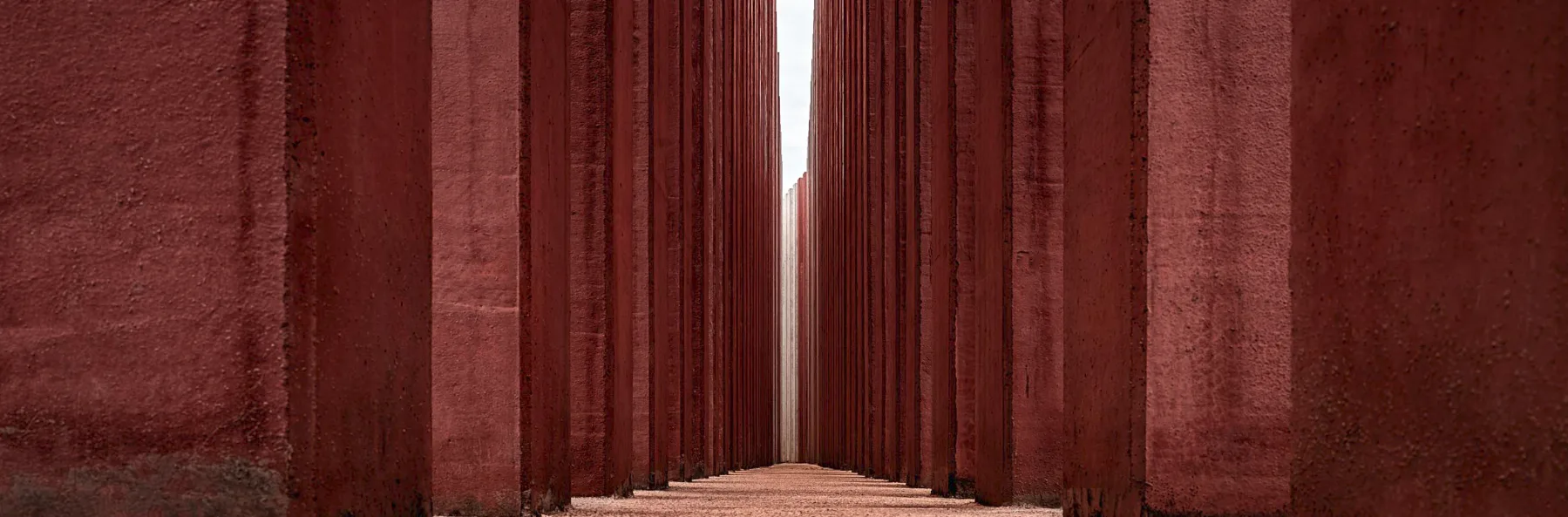
Since then, Ballester has developed his own visual language in which the pictorial heritage of the Renaissance – perspective, composition and atmosphere – is reinterpreted through the medium of contemporary photography. His images disregard the human figure to focus on absent presence, stillness and the memory of places. Museums, iconic buildings, industrial or urban spaces appear as settings for a poetics of emptiness and suspended time
His work has been presented in notable solo exhibitions such as Lugares de Paso (2003), Setting Out (2003) and Habitación 523 (2005), as well as in long-term projects such as Bosques de Luz. His career has been recognised with awards such as the National Photography Prize (2010) and the ENAIRE Foundation Lifetime Achievement Award (2023). Ballester’s work forms part of the collections of international museums and institutions and constitutes an ongoing reflection on space, history and memory.
Figura central de la fotografía contemporánea española. Licenciado en Bellas Artes por la Universidad Complutense de Madrid en 1984, inició su trayectoria en la pintura, con un interés sostenido por las técnicas y composiciones de las escuelas italianas y flamencas de los siglos XV al XVIII. A partir de 1990, su práctica experimentó un giro decisivo al integrar pintura y fotografía, orientándose hacia una investigación del espacio arquitectónico, la luz y el silencio.
Desde entonces, Ballester ha desarrollado un lenguaje visual propio en el que la herencia pictórica del Renacimiento -la perspectiva, la composición y la atmósfera- se reinterpreta mediante los recursos de la fotografía contemporánea. Sus imágenes prescinden de la figura humana para centrarse en la presencia ausente, la quietud y la memoria de los lugares. Museos, arquitecturas emblemáticas, espacios industriales o urbanos aparecen como escenarios de una poética del vacío y del tiempo suspendido.
Su obra ha sido presentada en exposiciones individuales relevantes como Lugares de Paso (2003), Setting Out (2003) y Habitación 523 (2005), así como en proyectos de largo recorrido como Bosques de Luz. Su trayectoria ha sido reconocida con premios como el Premio Nacional de Fotografía (2010) y el Premio Trayectoria Fundación ENAIRE (2023). La obra de Ballester forma parte de colecciones de museos e instituciones internacionales y constituye una reflexión constante sobre espacio, historia y memoria.